City Driving or Highway? How Your Driving Habits Affect Your Car’s Fuel Economy


City Driving or Highway? How Your Driving Habits Affect Your Car’s Fuel Economy
When you fill up your gas tank, you might not think about how your driving habits influence how far that fuel will take you. But the difference between city driving and highway cruising can be dramatic — both for your wallet and for the environment. In this article, we’ll look at how different driving conditions affect fuel economy and what you can do to make every gallon go further.
City Driving: Stop, Start, and Wasted Energy
City driving is the toughest on fuel economy. Frequent stops, starts, and low speeds mean your engine is constantly working harder than it would on the open road. Every time you accelerate from a stop, your car burns extra fuel. Sitting in traffic or at red lights wastes even more, as the engine idles without moving the car an inch.
Modern vehicles with start-stop systems can help reduce fuel use slightly by shutting off the engine when you’re stopped, but city driving still tends to be inefficient. Short trips are also a problem — engines run less efficiently until they reach their optimal operating temperature.
If most of your driving happens in the city, you can improve your fuel economy by:
- Planning routes to avoid heavy traffic and unnecessary detours.
- Driving smoothly and anticipating stops to minimize hard acceleration.
- Turning off the engine if you’re stopped for more than a minute or two.
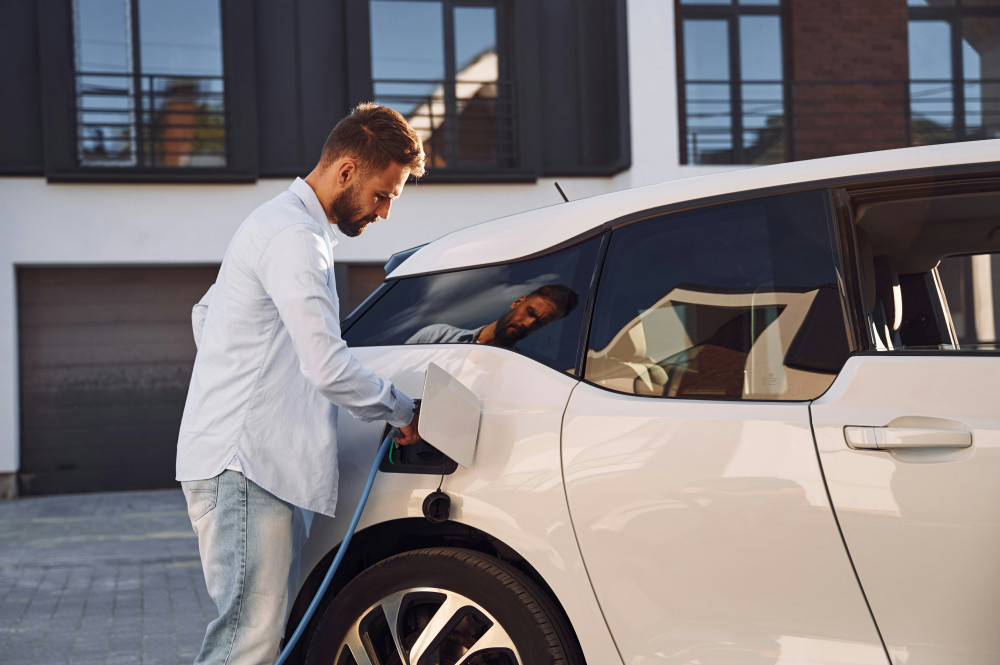
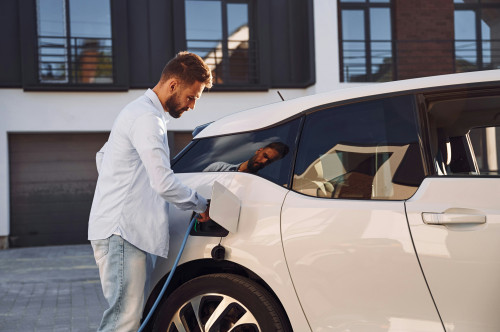
- Considering a hybrid or electric vehicle, which performs especially well in stop-and-go traffic.
Highway Driving: Steady Speeds and Better Efficiency — Up to a Point
On the highway, conditions are more consistent. You maintain a steady speed, and your engine operates in a more efficient range. That’s why highway fuel economy ratings are usually higher than city ratings. However, this advantage only holds if you keep your speed moderate.
As speed increases, aerodynamic drag rises sharply. The difference between driving 65 mph and 80 mph can be significant — many cars use 20–25% more fuel at the higher speed. So while highway driving is generally more efficient, pushing the speed limit can quickly erase those gains.
To save fuel on the highway:
- Maintain a steady speed and avoid unnecessary passing.
- Use cruise control when possible to keep your pace consistent.
- Check your tire pressure regularly — underinflated tires increase rolling resistance.
- Remove roof racks or cargo boxes when not in use to reduce drag.
Rural or Backroad Driving: The Sweet Spot
Driving on rural roads or suburban routes often strikes the best balance between city and highway conditions. You can travel at moderate speeds without the constant stopping of city traffic or the high wind resistance of highway speeds. For many vehicles, this type of driving delivers the best fuel economy — often close to the manufacturer’s official ratings.
To get the most out of this type of driving, keep your speed steady and avoid rapid acceleration or braking.
Læs også:

Other Factors That Influence Fuel Economy
While driving patterns play a major role, several other factors also affect how efficiently your car uses fuel:
- Weather and temperature: Cold weather increases fuel use because engines take longer to warm up.
- Tires and tire pressure: Properly inflated tires can improve fuel economy by several percent.
- Weight and aerodynamics: Extra cargo, roof racks, or bike carriers increase drag and fuel consumption.
- Driving style: Smooth, defensive driving saves fuel no matter where you are.
How to Get the Most Out of Every Gallon
No matter where you drive, a few simple habits can make a big difference:
- Accelerate gently and shift early if you drive a manual transmission.
- Keep a safe following distance so you can adjust speed smoothly instead of braking hard.
- Plan your trips to combine errands and avoid unnecessary cold starts.
- Maintain your vehicle — clean air filters, fresh oil, and a tuned engine all improve efficiency.
- Choose the right vehicle — if you mostly drive in the city, a hybrid or EV may be the most economical choice.
Conclusion: Know Your Driving Habits — and Drive Smarter
City streets, highways, and rural roads each place different demands on your car. City driving burns the most fuel, highway driving can be efficient if you keep speeds reasonable, and rural driving often offers the best balance.
By understanding your driving habits and adjusting your style, you can save money, reduce emissions, and make every trip more efficient. It’s not about driving less — it’s about driving smarter.
Læs også: