Healthy, Lush Lawn All Year Round – Without Expensive Equipment

Healthy, Lush Lawn All Year Round – Without Expensive Equipment
A thick, green lawn is a classic symbol of care and pride in any American yard—but keeping it that way doesn’t have to cost a fortune or require fancy tools. With a little knowledge, consistent attention, and a few simple tools, you can maintain a healthy, vibrant lawn all year long. Here’s how to do it.
Know Your Lawn – and What It Needs
Before you start, it’s important to understand what your lawn actually needs. Grass is a living plant that responds to sunlight, water, nutrients, and wear. A lush, resilient lawn is the result of keeping these factors in balance.
- Sunlight: Most grasses love full sun, but some varieties—like fine fescue—tolerate partial shade. If your lawn struggles in shady areas, consider trimming low branches or thinning shrubs to let in more light.
- Water: Deep, infrequent watering encourages roots to grow deeper, making your lawn more drought-resistant.
- Nutrients: Grass needs food to stay thick and green. Fertilizing doesn’t have to be complicated or expensive—more on that below.
Once you understand your yard’s conditions, you can tailor your care routine for the best results.
Spring: Give Your Lawn a Fresh Start
Spring is the season of renewal, and your lawn is waking up after winter dormancy. This is the time to set a strong foundation.
- Rake and clean up: Remove leaves, twigs, and dead grass with a sturdy metal rake. This helps air reach the soil and prevents mold.
- Aerate without a machine: No aerator? No problem. Use a garden fork to poke holes about 4–6 inches apart. This improves drainage and oxygen flow to the roots.
- Topdress: Mix compost, sand, and a bit of soil, then spread a thin layer over the lawn. It evens out bumps and adds nutrients.
- Overseed bare spots: Choose a grass seed blend suited to your region—cool-season grasses like Kentucky bluegrass or tall fescue for northern states, warm-season types like Bermuda or zoysia for southern areas.
When the grass starts growing again, begin mowing—but wait until it’s at least 2½ inches tall.
Summer: Keep It Strong and Green
Summer heat can stress your lawn, but with smart care, you can keep it healthy without high-tech gear.
- Mow regularly, but not too short. Keep grass around 3 inches tall to shade the soil and discourage weeds.
- Leave the clippings. Grass clippings act as natural fertilizer, returning nutrients to the soil.
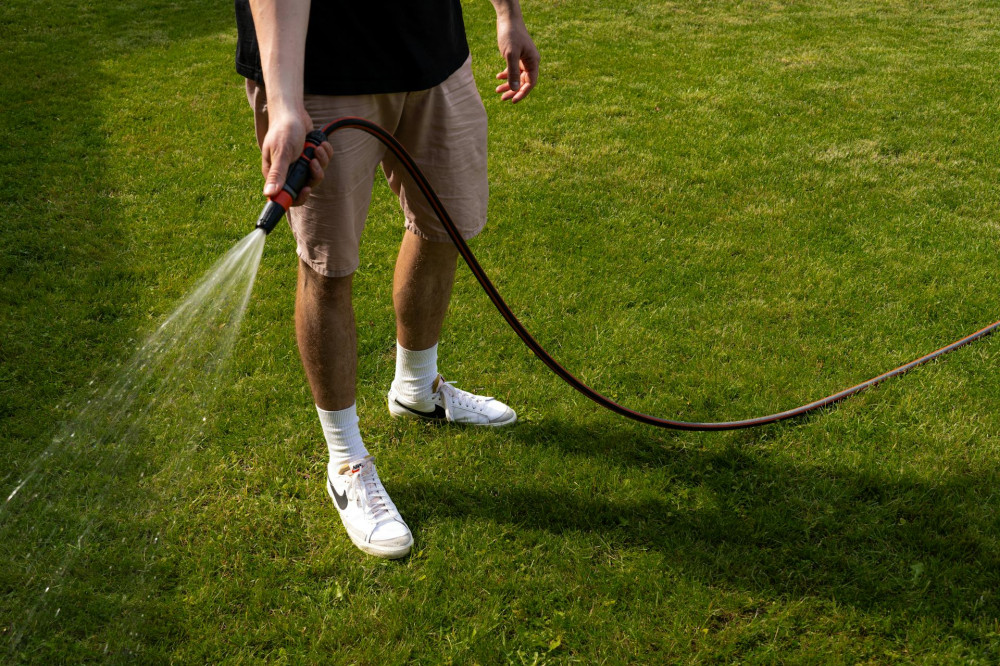
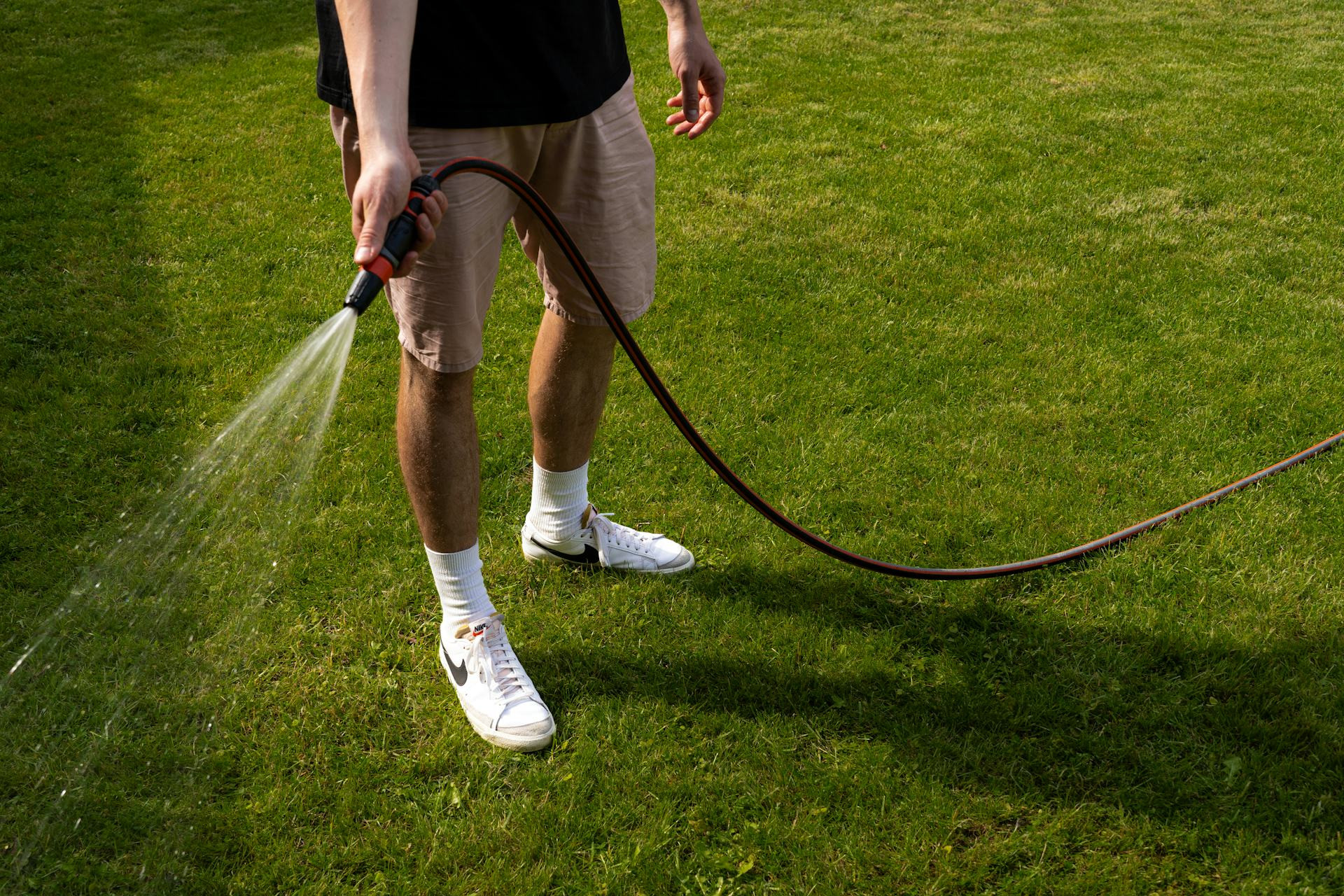
- Water deeply and wisely. Water once or twice a week, long enough for moisture to reach 4–6 inches deep. Use a simple sprinkler or even a hose with a spray nozzle—just avoid shallow, daily watering.
- Pull weeds by hand. A hand weeder or small trowel works fine. Remove weeds by the roots to keep them from coming back.
If your lawn needs a boost, apply organic fertilizer such as compost or dried manure. It’s affordable, eco-friendly, and effective.
Fall: Prepare for Winter
Fall is the time to strengthen your lawn so it can handle the cold months ahead.
- Rake fallen leaves. A thick layer of wet leaves can smother grass and invite disease.
- Fertilize one last time. Use a fall fertilizer with low nitrogen and higher potassium to build strong roots without promoting excessive growth.
- Aerate and topdress again. Repeat the spring process to improve soil structure and prevent compaction.
- Final mow. Raise your mower height slightly (around 3½ inches) so the grass enters winter with enough strength.
Læs også:



Winter: Let It Rest
During winter, your lawn needs rest more than anything else.
- Avoid walking on frozen or soggy grass—it can damage the roots.
- Clear away fallen branches or heavy snow piles.
- Plan for next season: note areas that need reseeding or better drainage.
When spring returns, your lawn will bounce back faster and greener.
Simple Tools That Get the Job Done
You don’t need a high-end mower or powered aerator to keep your lawn in shape. A few basic tools are enough:
- A manual reel mower – quiet, eco-friendly, and perfect for small to medium yards.
- A metal rake – for removing debris and loosening the soil surface.
- A garden fork – for aerating and improving drainage.
- A watering can or basic sprinkler – for efficient watering.
- A bucket and shovel – for spreading compost or topdressing mix.
Consistency matters more than equipment. Just 30 minutes of care each week can make a big difference.
A Green Lawn Without the Stress
A healthy lawn isn’t about perfection—it’s about balance. With regular care, a bit of patience, and a few simple tools, you can enjoy a lush, green yard that looks great and feels wonderful underfoot—all without spending a fortune on machines or chemicals.
Læs også: