Create Your Own Style: Understanding Proportions, Colors, and Overall Impression

Create Your Own Style: Understanding Proportions, Colors, and Overall Impression
Finding your personal style isn’t about chasing every new trend or filling your closet with the latest pieces. It’s about understanding how clothes work on your body, how colors interact, and how the overall impression of your outfit reflects your personality. When you master proportions, colors, and balance, you can create a look that feels authentic and polished—whether you’re wearing a suit, jeans, or sneakers.
Proportions – The Key to a Balanced Look
Proportion is all about how the cut and length of your clothes relate to your body shape. Even the most expensive outfit can look off if the proportions aren’t right.
- Know your body shape. If you’re tall and lean, longer coats and slightly wider pants can look great. If you’re shorter or have a more compact build, cropped jackets and slim-fit pants can create a more balanced silhouette.
- Think in terms of balance. Pair a loose top with fitted pants—or the other way around. This contrast keeps your outfit visually harmonious.
- Pay attention to lengths. Sleeves, pant legs, and jackets should hit at the right spots. A jacket that ends just above the hips can make your legs look longer, while a longer coat gives a more formal, elegant impression.
Small adjustments from a tailor can make a huge difference. That’s often what takes an outfit from “fine” to “flawless.”
Colors – Creating Harmony and Personality
Color is one of the most powerful tools for expressing your style and personality. It influences how you feel and how others perceive you.
- Start with neutrals. Shades like gray, navy, beige, and white form a solid foundation. They mix easily and make it simple to build a cohesive wardrobe.
- Add accent colors. A forest-green shirt, a burgundy scarf, or a pair of tan sneakers can bring life to an otherwise neutral outfit.
- Play with contrast. Light and dark tones create depth. If you’re wearing dark pants, a lighter top can balance the look—and vice versa.
- Know your undertone. Warm skin tones often look best in earthy or golden hues, while cool undertones pair beautifully with blues, grays, and silvers.
Once you know which colors flatter you most, putting together outfits that feel right becomes second nature.
The Overall Impression – Details That Tie It All Together
A great outfit isn’t just about individual pieces—it’s about how they work together. The overall impression comes from the mix of proportions, colors, textures, and accessories.
- Layer thoughtfully. A shirt under a sweater, a coat over a blazer—layering adds depth and makes your outfit more interesting.
- Choose materials with care. Wool, cotton, linen, and leather each bring their own texture and character. Mixing materials can make even a simple outfit stand out.
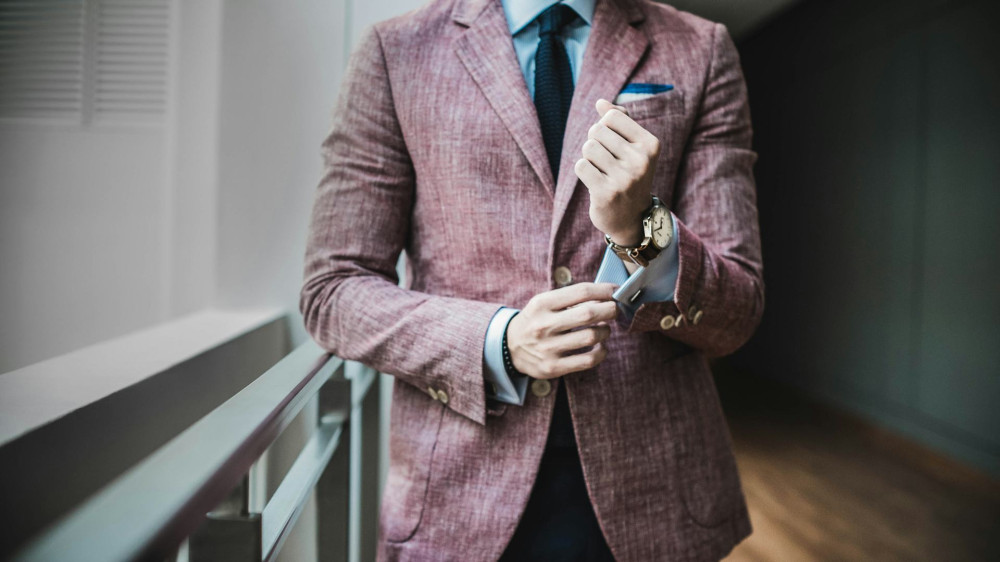
- Use accessories wisely. A watch, belt, or pair of glasses can complete your look. But remember: less is often more.
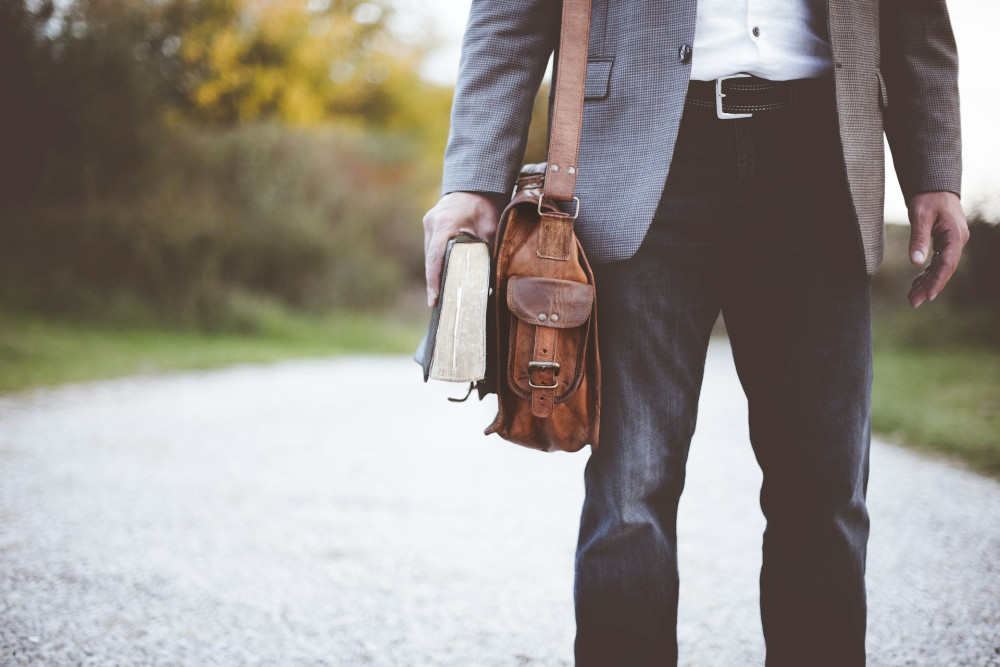
- Mind the scale of accessories. A large tote might overwhelm a minimalist outfit, while a slim leather strap can emphasize a refined look.
The overall impression is ultimately about balance—between form and function, between classic and personal.
Finding Your Own Style – Step by Step
Creating your own style is a process. It takes experimentation, observation, and a willingness to adjust along the way.
- Start with what you have. Go through your closet and identify the pieces that make you feel confident and comfortable.
- Build from there. Add new items that complement your existing wardrobe instead of starting from scratch.
- Seek inspiration—but not imitation. Fashion blogs, magazines, and social media can spark ideas, but your style should reflect you, not a trend.
- Be consistent. Once you find a color palette and silhouettes that work, stick with them. Consistency creates a recognizable and cohesive wardrobe.
Over time, you’ll notice your style becoming more personal and less dependent on what’s currently “in.”
Læs også:
Style Is More Than Clothes
Your style isn’t just about what you wear—it’s about how you wear it. Confidence, posture, and attitude are all part of the impression you make. When you feel comfortable in your clothes, it shows in how you move and interact with others.
Understanding proportions, colors, and overall impression isn’t just a technical exercise—it’s a way to express who you are and how you want to be seen. And that’s where true personal style begins.
Læs også: