From Office to Home: How New Work Styles Are Changing Men’s Wardrobes

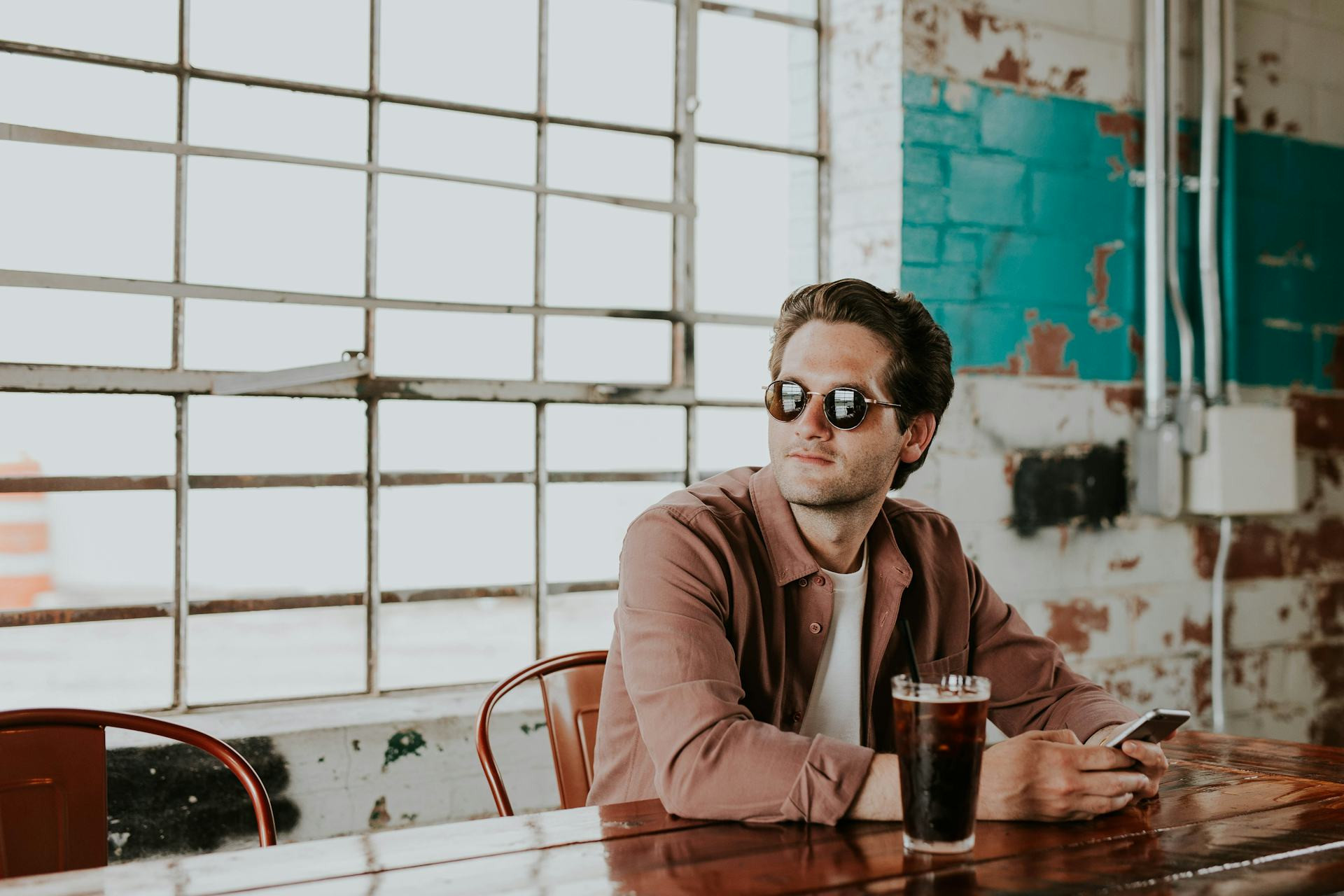
From Office to Home: How New Work Styles Are Changing Men’s Wardrobes
The past few years have transformed the way Americans work—and that shift is showing up in men’s closets. Once defined by suits, ties, and polished shoes, the modern work wardrobe now leans toward comfort, versatility, and personal expression. As remote and hybrid work have become the norm, the line between professional and casual wear has blurred, giving rise to a new kind of everyday style.
From Stiff Collars to Relaxed Professionalism
When millions of men began working from home during the pandemic, it quickly became clear that the traditional office uniform didn’t fit the new reality. Dress shirts gave way to polos and knit sweaters, while pressed trousers were replaced by chinos or tailored joggers.
But this wasn’t just about comfort. The shift also reflected a broader redefinition of professionalism. Instead of being judged by how formal one looked, the focus turned to authenticity and presence—even through a webcam. A well-fitted sweater or a crisp polo in quality fabric can project just as much credibility as a suit, as long as the overall look feels intentional.
Hybrid Work Calls for Flexible Wardrobes
As many companies have adopted hybrid schedules, men now need clothes that transition easily between home and office. The demand is for pieces that look sharp in meetings but feel comfortable enough for a day spent working from the couch.
This has fueled the rise of “smart casual” and “business comfort” styles—categories that blend classic tailoring with modern materials. Stretch shirts, unstructured blazers, and leather sneakers that pair well with both jeans and dress pants have become staples. American brands from J.Crew to Bonobos have responded with collections designed for this new balance, making it easier to move seamlessly from a Zoom call to a coffee meeting downtown.
Comfort Becomes the New Standard
Comfort has become a defining principle in men’s fashion. That doesn’t mean every day is sweatpants day, but fit, flexibility, and fabric now matter more than ever. Soft cotton blends, moisture-wicking knits, and lightweight technical fabrics are increasingly popular. Many men have discovered that looking polished doesn’t have to come at the expense of feeling good—and that realization is reshaping expectations for what workwear should be.
Personal Style Takes Center Stage
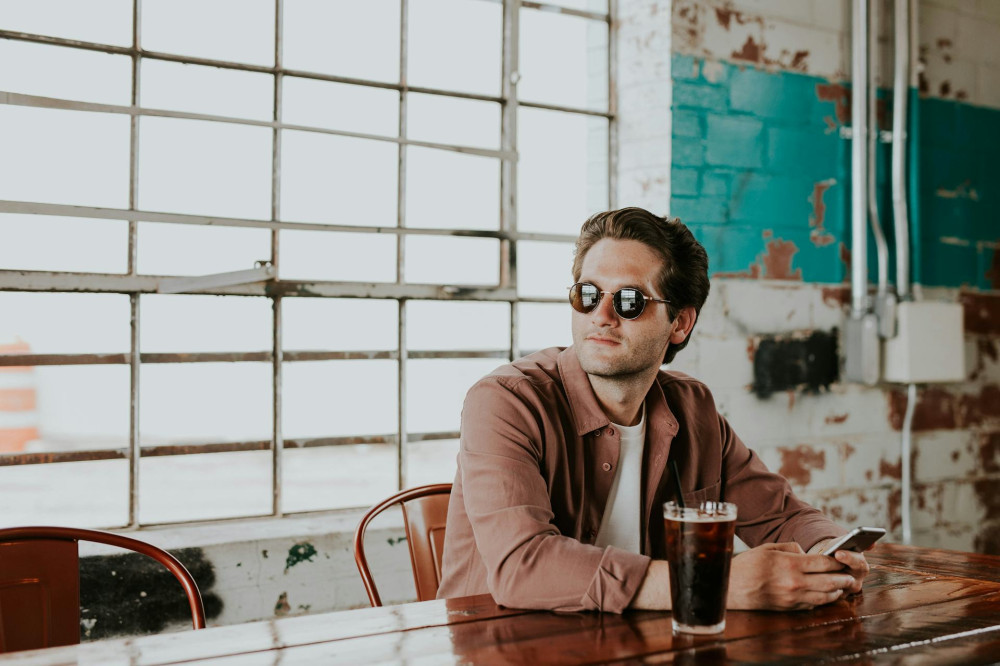
Working from home has also loosened the old dress codes, giving men more freedom to express themselves. A pop of color, a patterned shirt, or a distinctive pair of glasses can add personality without compromising professionalism. Accessories like watches or minimalist jewelry have become subtle ways to stand out on screen.
At the same time, there’s a growing appreciation for quality over quantity. Instead of owning separate wardrobes for work and leisure, more men are investing in fewer, better pieces that can adapt to multiple settings. The focus is on versatility and longevity rather than fast fashion.
Læs også:


The Future of Men’s Workwear: Between Home and Office
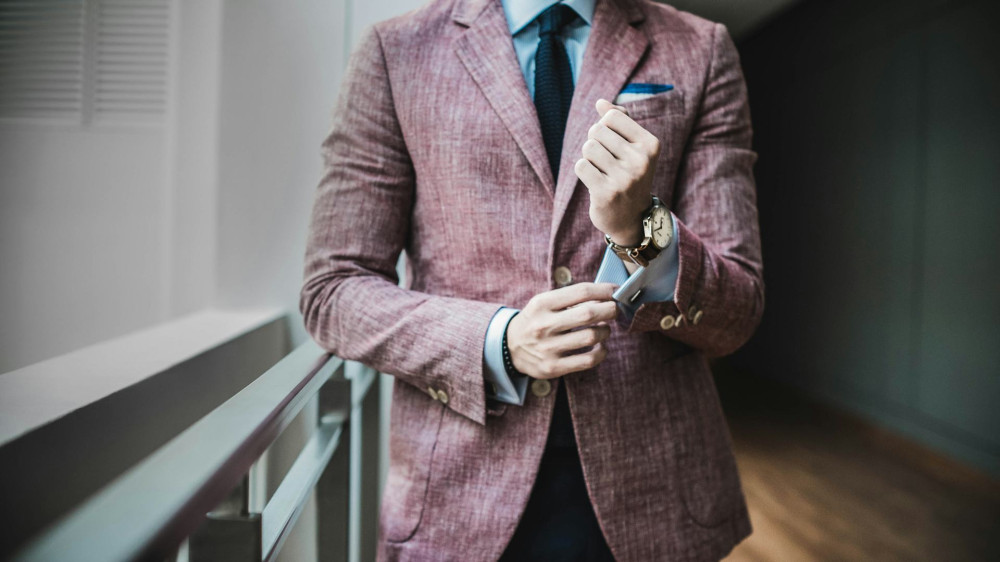
The traditional office look isn’t disappearing—it’s evolving. The suit still has its place, but it’s being reimagined: softer fabrics, relaxed fits, and sneakers instead of dress shoes. The modern man’s wardrobe is about balance—between structure and ease, professionalism and comfort.
Ultimately, this shift is about more than fashion. It reflects a broader cultural change in how we live and work. As the boundaries between home and office continue to blur, men’s wardrobes are adapting to a lifestyle that values flexibility, authenticity, and comfort as much as style.
Læs også: