Eat Right for Your Strength Training and Get More Out of Your Effort

Eat Right for Your Strength Training and Get More Out of Your Effort
Strength training isn’t just about lifting weights, counting reps, and pushing through the burn. What you eat—before, during, and after your workouts—plays a huge role in how your body performs and recovers. The right nutrition can be the difference between progress and plateau, between fatigue and energy. Here’s a guide to help you fuel your body so you can get the most out of your time in the gym.
Food as Fuel
When you lift weights, you create tiny tears in your muscle fibers. It’s during recovery that those fibers rebuild and grow stronger—and that process depends heavily on what you eat. Without enough fuel and building blocks, your body can’t repair itself efficiently.
In simple terms, it all comes down to energy, protein, and timing. You need enough energy to train effectively, enough protein to rebuild muscle, and the right timing to make the most of your nutrition.
Before Your Workout – Energy to Perform
A good pre-workout meal should give you energy without weighing you down. It should include carbohydrates for quick fuel and a bit of protein to prepare your muscles for the work ahead.
Try to eat about 1–2 hours before training. Some good options include:
- Oatmeal with milk and a banana
- Whole-grain toast with peanut butter and a glass of orange juice
- Greek yogurt with fruit and a handful of nuts
If you train early in the morning, a smaller snack—like a banana or a protein bar—can be enough to get you going.
During Your Workout – Stay Hydrated and Energized
For most strength training sessions under 90 minutes, you don’t need to eat during your workout. Water is usually enough. But if you’re training intensely or for a longer period, a sports drink or a piece of fruit can help maintain your energy.
The key is to stay hydrated. Drink water before, during, and after your workout—especially if you sweat a lot. Even mild dehydration can reduce your performance and make you feel more fatigued.
After Your Workout – Rebuild and Recover
After training, your body is primed to absorb nutrients. This is your window to make a real difference in your progress. Within 30–60 minutes after your workout, aim for a meal that combines protein and carbohydrates.
Protein helps repair and build muscle, while carbohydrates replenish your energy stores. Some great post-workout meals include:
- Grilled chicken with rice and vegetables
- Whole-grain toast with eggs and avocado
- A smoothie made with milk, berries, and protein powder
If you can’t eat a full meal right away, a protein shake or a glass of chocolate milk can tide you over until you do.
Protein – The Building Block of Strength
Protein is essential for anyone doing strength training. It’s made up of amino acids, which your body uses to repair and build muscle tissue. Most people who train regularly need a bit more protein than average—typically around 0.7–0.9 grams per pound of body weight per day.
Good sources of protein include:
- Lean meats, fish, and eggs
- Dairy products like Greek yogurt, cheese, and milk
- Beans, lentils, and other legumes
- Nuts and seeds
You don’t have to live on chicken and rice to see results. Variety is key—for both your health and your motivation.
Carbs and Fats – The Overlooked Energy Sources
Many people focus so much on protein that they forget about carbs and fats. But without carbohydrates, you’ll lack the energy to train hard, and without healthy fats, your hormones and recovery can suffer.
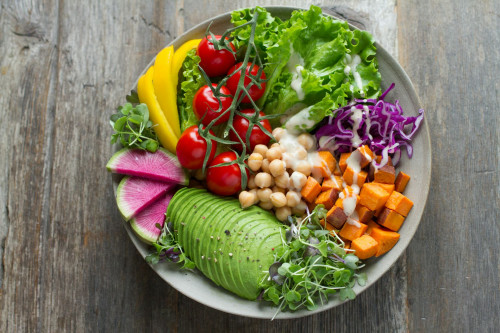
Choose complex carbohydrates like whole grains, potatoes, fruits, and vegetables, and healthy fats from sources like olive oil, nuts, avocado, and fatty fish. These foods provide steady energy and support your body’s recovery process.
Læs også:



Planning Makes It Easier
Thinking about nutrition all the time can feel overwhelming, but a little planning goes a long way. Prep meals for your training days and keep healthy snacks on hand—like nuts, fruit, or protein bars. That way, you’re less likely to skip meals or grab something less nutritious on the go.
A simple approach is to eat three main meals and two or three snacks throughout the day. This keeps your energy levels steady and ensures your body always has the nutrients it needs to recover.
Remember the Big Picture
Nutrition and training go hand in hand, but sleep, stress, and lifestyle matter too. You can eat perfectly, but if you’re not sleeping enough or pushing too hard without rest, you won’t see your best results.
Think of your fitness as a whole: training, nutrition, rest, and balance. When all four work together, you’ll see the best outcomes—in strength, energy, and overall well-being.
Læs også: