Healthy Eating Without Sacrifice – How to Make It Possible

Healthy Eating Without Sacrifice – How to Make It Possible
Eating healthy is often associated with strict diets, bland salads, and giving up your favorite foods. But it doesn’t have to be that way. Healthy eating is really about balance, variety, and sustainable habits – not about deprivation. With the right approach, you can enjoy food that’s both delicious and nourishing without feeling like you’re missing out. Here’s how to make healthy eating a natural and satisfying part of your everyday life.
Let Go of the All-or-Nothing Mindset
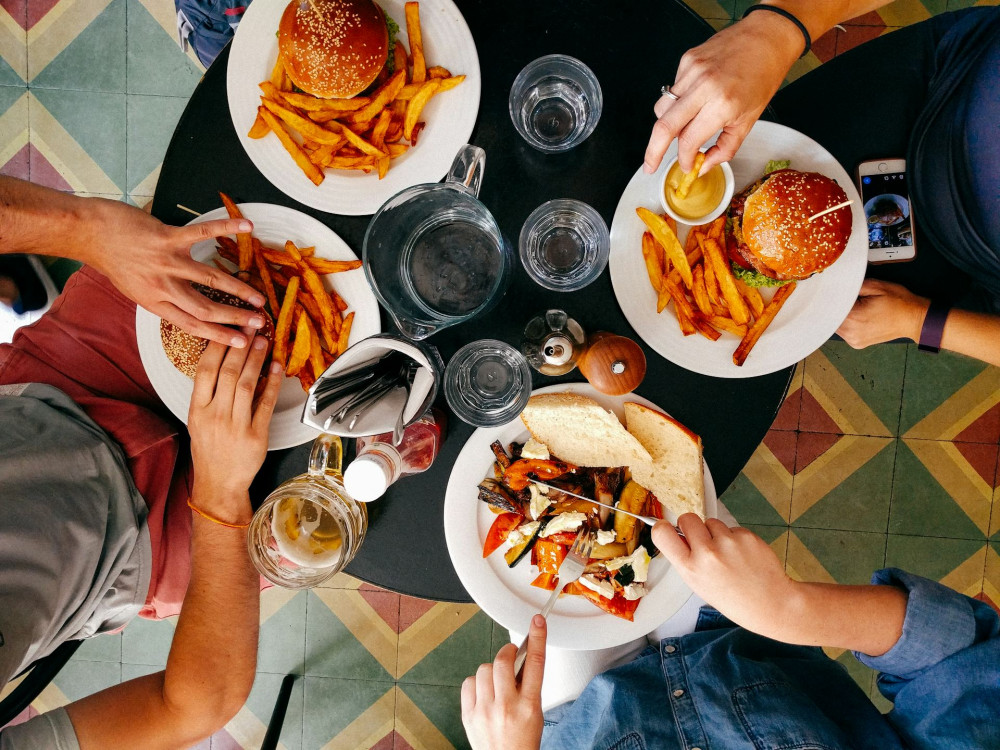
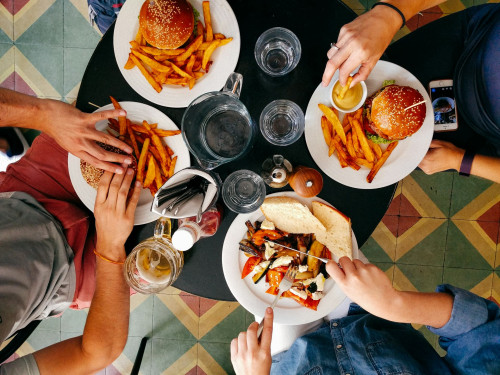
Many people fall into the trap of thinking they’re either eating “right” or “wrong.” But health isn’t about perfection – it’s about consistency over time. If you eat a balanced, mostly nutritious diet most of the time, it’s perfectly fine to enjoy a burger, a slice of pizza, or dessert now and then.
When you allow yourself flexibility, it becomes easier to stick with healthy habits long-term. What matters most is the overall pattern, not any single meal.
Make Healthy Food Something You Look Forward To
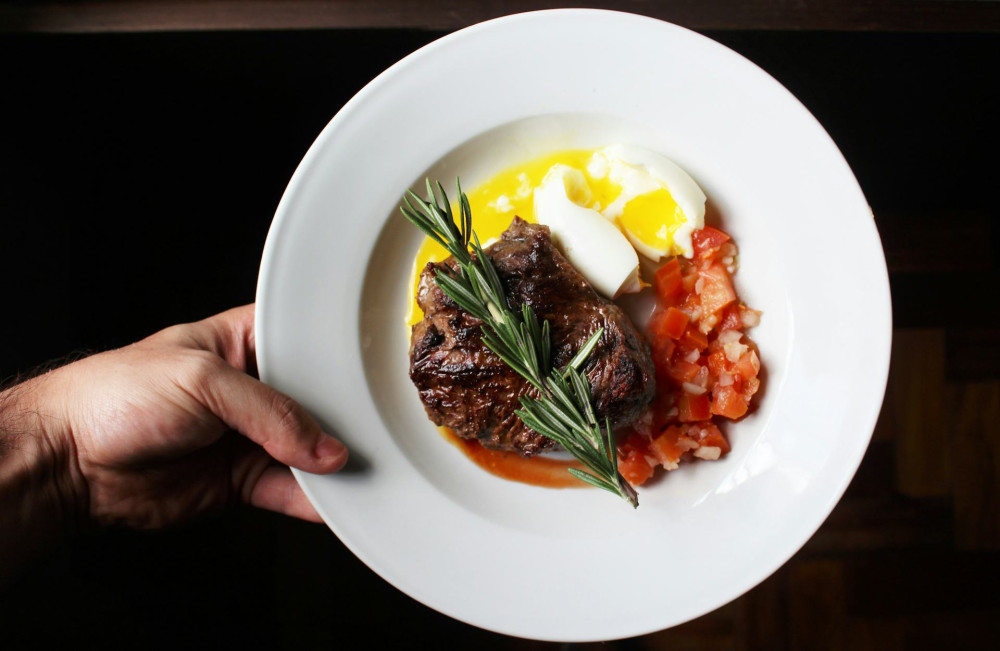
Healthy food should taste good. Period. If you feel like you’re forcing yourself to eat something you don’t enjoy, it won’t last. Instead, experiment with flavors, spices, and cooking methods. A simple piece of chicken can be transformed with a marinade of lemon, garlic, and herbs, and vegetables become far more exciting when roasted with olive oil and seasoning.
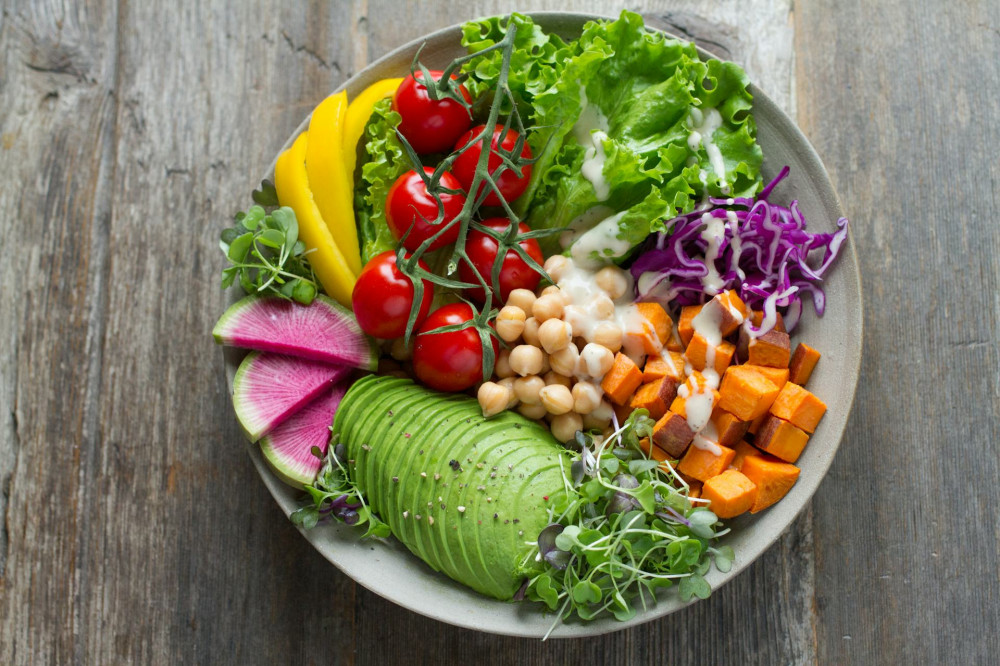
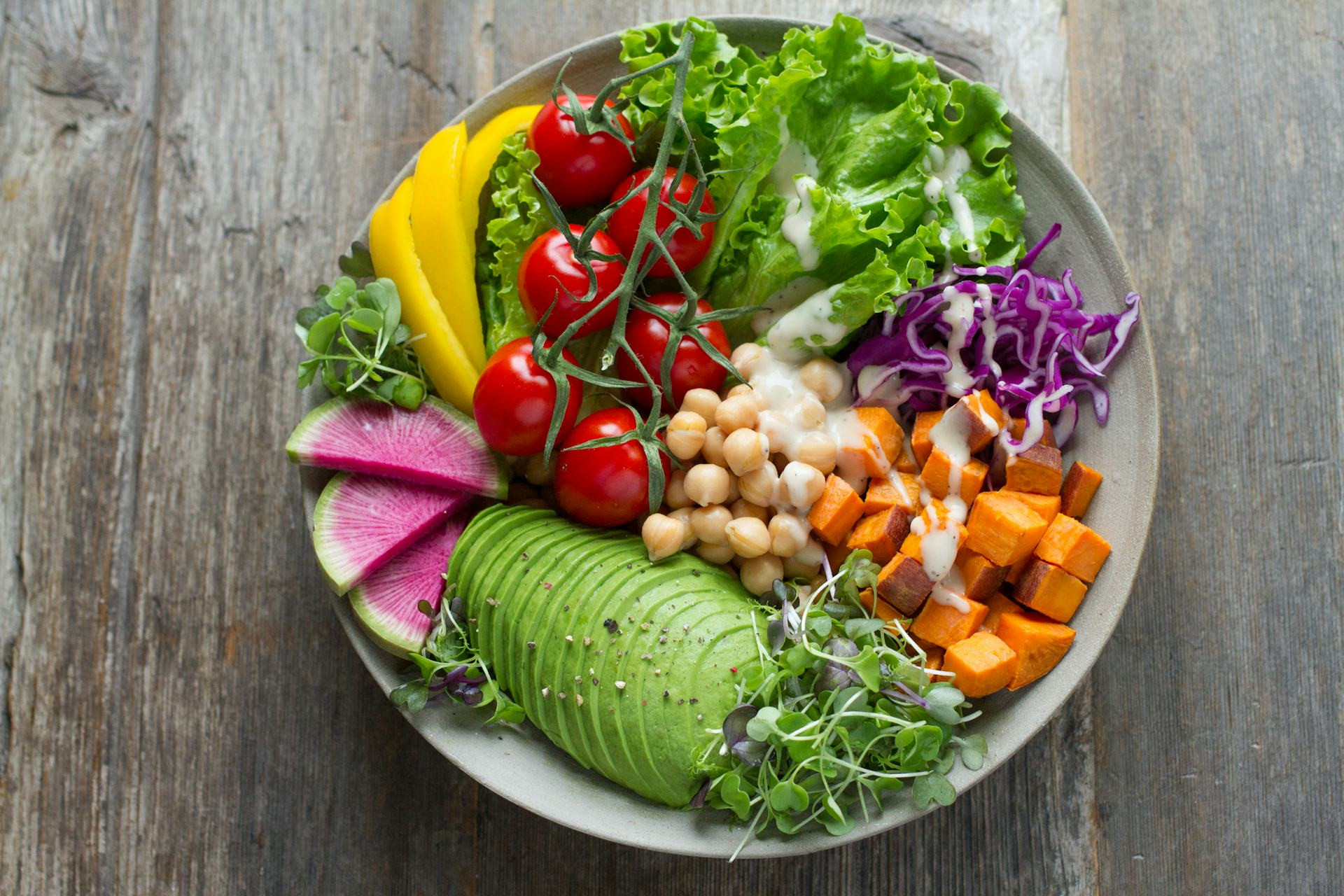
Think about texture and color too – crunchy toppings, creamy dressings, and fresh produce make meals more satisfying. The more you enjoy your food, the less it feels like a sacrifice.
Læs også:
Plan Ahead – Without Making It Complicated
One of the biggest challenges to eating well is a busy schedule. When hunger hits and time is short, it’s easy to grab fast food or snacks. A little planning can make a big difference.
- Create a simple meal plan for a few days at a time so you know what to shop for.
- Prep ingredients in advance – cook grains, chop veggies, or make a dressing ahead of time.
- Keep healthy snacks on hand – nuts, fruit, or hummus with veggies can help you avoid impulsive choices.
Planning isn’t about rigid rules; it’s about making it easier to choose what you really want.
Eat to Feel Satisfied – Not Hungry
Healthy eating should leave you energized and full, not constantly hungry. If you’re always starving, you might not be eating enough or getting the right nutrients. Make sure your meals include a balance of protein, fiber, and healthy fats – like fish, beans, whole grains, avocado, or nuts.
When you eat until you’re comfortably full, you’re less likely to overeat later. It also helps keep your energy steady throughout the day and reduces those mid-afternoon cravings.
Make Room for Enjoyment
A glass of wine, a piece of chocolate, or a night out with friends doesn’t have to be “off-limits.” In fact, allowing yourself to enjoy these moments can make your lifestyle more sustainable. When you give yourself permission to indulge without guilt, it’s easier to maintain balance.
It’s all about mindfulness: savor what you eat and be present in the experience. You’ll enjoy it more – and feel less need to overdo it.
Find What Works for You
There’s no single “right” way to eat healthy. Some people prefer several small meals a day, others do better with three larger ones. Some love meat, others thrive on plant-based foods. The key is to find a rhythm that fits your lifestyle, preferences, and goals.
Healthy eating without sacrifice is ultimately about creating a way of living that feels good, tastes great, and gives you the energy to do what you love – every day.
Læs også: