Nature, Sports, and Craft as Paths Through Male Grief

Nature, Sports, and Craft as Paths Through Male Grief
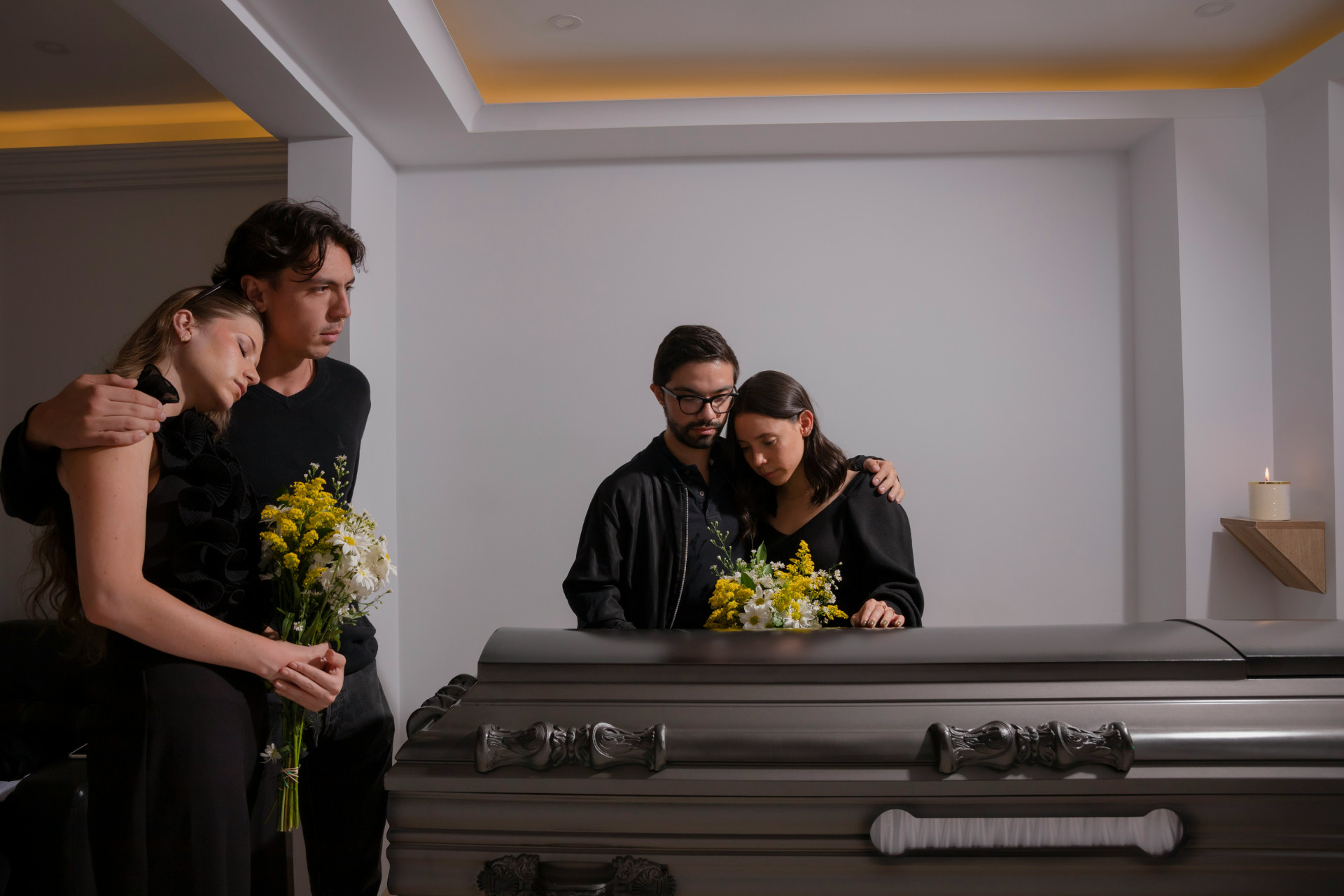
When life hits hard—through loss, divorce, or illness—many men respond differently than women. While some seek conversation and emotional support, others withdraw. For many men, putting grief into words can feel nearly impossible, and so action, movement, and creation often become the natural ways to process it. Nature, sports, and craft can serve as three distinct yet connected paths toward finding calm, meaning, and strength in a time when everything feels fragile.
Nature as a Quiet Companion
A walk through the woods, a morning spent fishing, or simply sitting on a park bench watching the horizon may seem simple—but for many men, it’s in nature’s quiet that thoughts begin to settle. The outdoors doesn’t demand words or explanations. It offers space to just be.
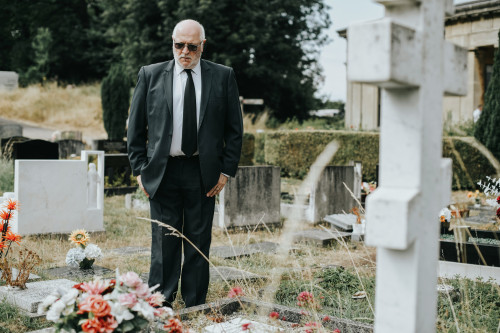
Therapists and grief counselors increasingly point to nature as a neutral space where men can experience their grief without being overwhelmed. The sound of wind through trees, the smell of earth, and the rhythm of the seasons can remind us that life continues, even when our own feels suspended. Many men describe walking the same trail again and again as a kind of silent conversation with themselves and the world around them.
Læs også:


Sports as Release and Structure
For others, the body becomes the main channel for grief’s energy. Sports—whether running, cycling, swimming, or lifting weights—can restore a sense of control when everything else feels uncertain. Physical exertion releases endorphins, but perhaps more importantly, it creates rhythm and structure.
Showing up for practice, feeling the heart rate rise, and noticing small improvements can bring a sense of progress even when the mind feels stuck. Some men find strength in the camaraderie of a running group or a basketball team, where being together doesn’t require talking about the pain. Others prefer solitary workouts, where each stride or repetition becomes a way to work through thoughts.
Sports can also serve as a symbolic space: to struggle, to lose, to rise again. They remind us that body and mind are connected—and that movement can be a way to regain balance.
Craft as a Healing Process
There’s something deeply human about making things with our hands. Building, repairing, or shaping something tangible can bring meaning when everything else feels meaningless. For many men, the garage, the workshop, or even the backyard becomes a refuge where thoughts can settle.
Craft demands focus and patience. It forces presence—measuring, cutting, sanding, painting. In that process, grief can exist quietly in the background without taking over. The finished piece—a table, a carved bowl, a restored motorcycle—becomes proof that creation is still possible, even in the midst of loss.
Some men describe it as a kind of silent therapy: the hands work while the mind slowly finds its way through the darkness.
Connection Without Words
Although nature, sports, and craft are often solitary pursuits, they can also create communities where men connect in ways that feel natural. A fishing trip, a group ride, or a shared building project can open space for conversations that might otherwise never happen. When the focus is on the activity, it becomes easier to share thoughts and experiences—without it feeling like a therapy session.
Across the U.S., more initiatives are recognizing this. Programs like hiking groups for widowers, veterans’ woodworking workshops, and community sports leagues that emphasize support as much as performance show that grief doesn’t have to be a lonely process. Healing can happen in company, even without many words.
Finding One’s Own Way
There is no single right way to grieve. For some, talking helps. For others, it’s silence, movement, or working with their hands. What matters most is finding a path that feels genuine—and allowing the time it takes.
Nature, sports, and craft can’t erase grief, but they can give it shape. They can create space to breathe, to feel the body, and to slowly find one’s way back to self. In a time when many men still struggle to find language for their emotions, these paths offer a quiet but powerful way forward.
Læs også: