Strong and Vulnerable: The Balance in a Man’s Grief

Strong and Vulnerable: The Balance in a Man’s Grief
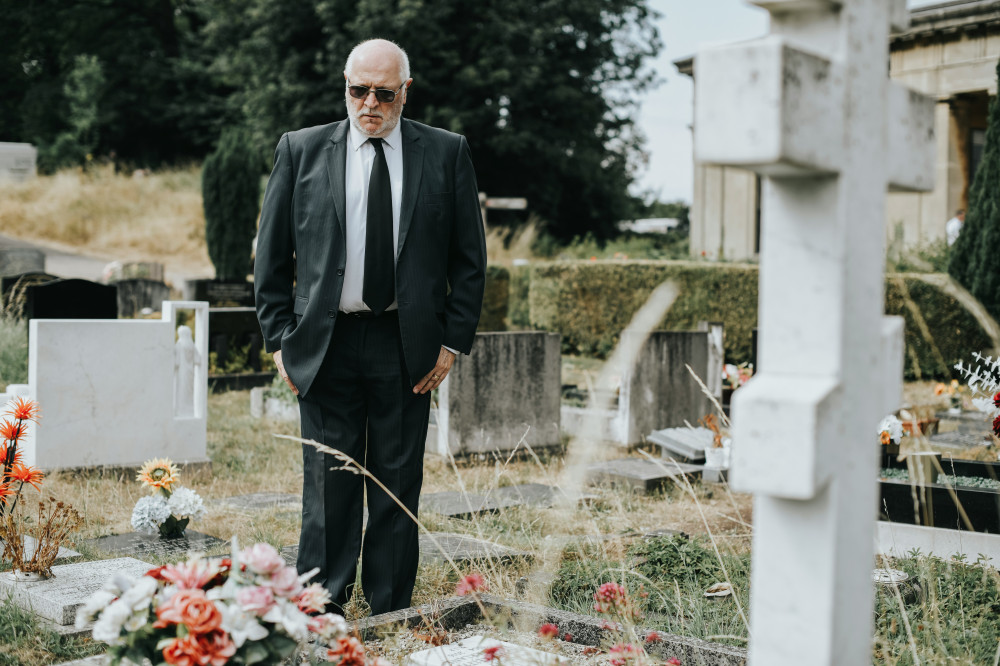
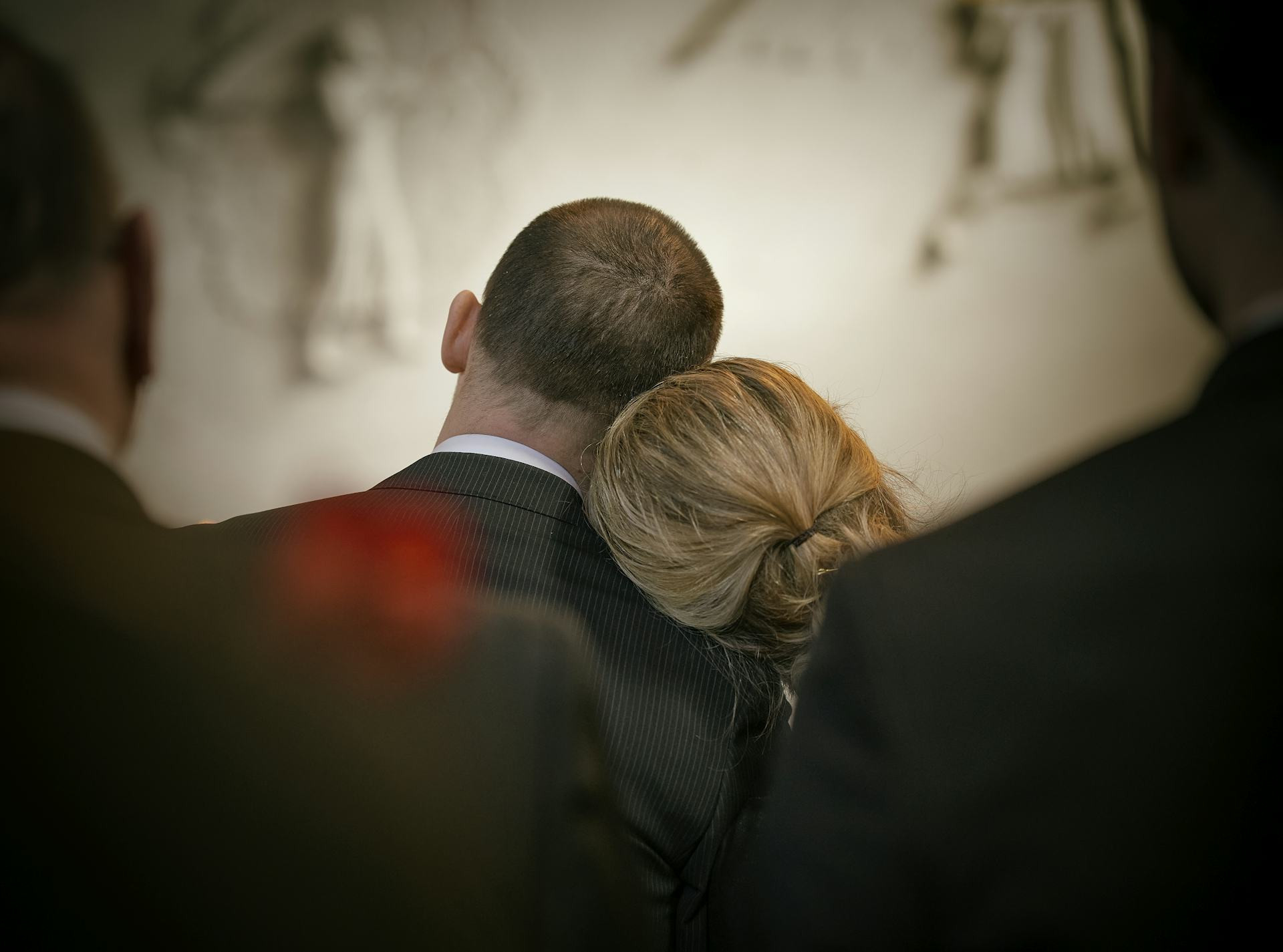
When men experience loss—whether it’s a loved one, a relationship, a job, or a dream—they face grief that can be difficult to express. In a culture that still often equates masculinity with control and resilience, finding space for vulnerability can feel like breaking an unspoken rule. Many men feel pressure to “hold it together,” even when their world is falling apart. Yet, the true path through grief lies in balancing strength with vulnerability.
The Many Faces of Grief
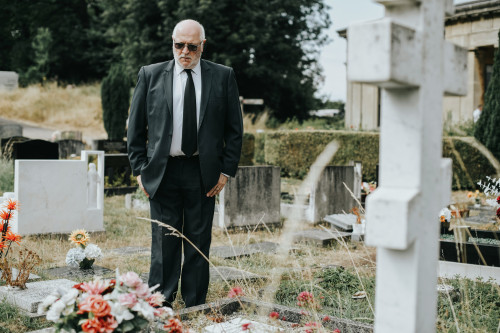
Grief doesn’t look the same for everyone. Some cry openly, while others withdraw. For many men, grief may show up as restlessness, anger, or a drive to stay busy—to fix something, even when it can’t be fixed. This isn’t a lack of feeling; it’s often a way to manage the unbearable.
Research in the U.S. and beyond shows that men are more likely than women to cope with loss through activity—work, exercise, or practical tasks. These can provide a sense of control, but they can also push deeper emotions aside. Acknowledging grief, rather than running from it, is the first step toward healing.
The Courage to Be Vulnerable
Showing vulnerability takes courage. Many men were raised with the idea that tears and uncertainty are signs of weakness. But vulnerability isn’t the opposite of strength—it’s part of it. When a man dares to show how he truly feels, he opens the door to genuine connection and support.
Talking with someone who understands—a friend, a family member, or a counselor—can make a difference. The conversation doesn’t have to be long or emotional; sometimes, being met with quiet presence is enough. What matters most is breaking the isolation that often accompanies grief.
The Power of Community
Men in the U.S. are less likely to seek support networks when grieving, but community can be a lifeline. It might take the form of a running group, a men’s support circle, or simply a regular coffee with a friend. Sharing experiences—even without talking directly about the loss—can restore a sense of normalcy and belonging.
Across the country, more organizations now offer grief groups specifically for men, creating safe spaces where there’s no pressure to “talk it out.” In these settings, men can simply be together in their pain, without needing to explain everything in words.
Læs også:


When Grief Becomes Heavy
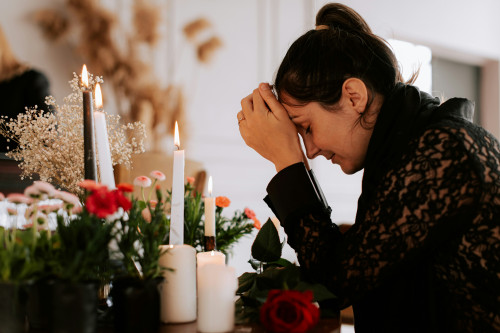
For some, grief becomes so heavy that it turns into depression or anxiety. Signs can include sleeplessness, irritability, loss of energy, or a sense of emptiness. If the pain doesn’t ease over time, it’s important to seek help. Doing so isn’t a failure—it’s an act of responsibility and self-care.
Professional support, whether through therapy, a support group, or a faith community, can help men find new ways to understand and live with their loss. Many discover that accepting help is the moment when healing truly begins.
Finding Strength in Vulnerability
Being strong in grief doesn’t mean suppressing emotions—it means being able to hold them. It’s standing in the middle of pain and still taking steps forward—some days small, some days larger. Grief changes us, but it can also open new perspectives on life, relationships, and what truly matters.
When men learn to unite strength with vulnerability, grief stops being an enemy and becomes part of their story. That’s where balance is found—in the realization that one can be both strong and vulnerable at the same time.
Læs også: