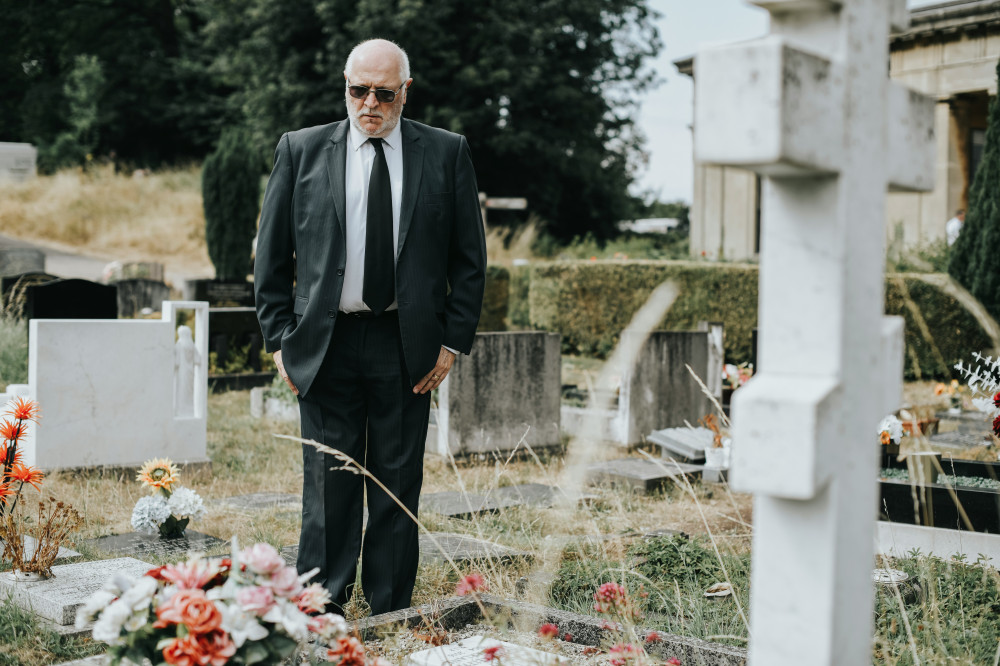
Strength in Retrospect: What Loss Can Teach Men About Life

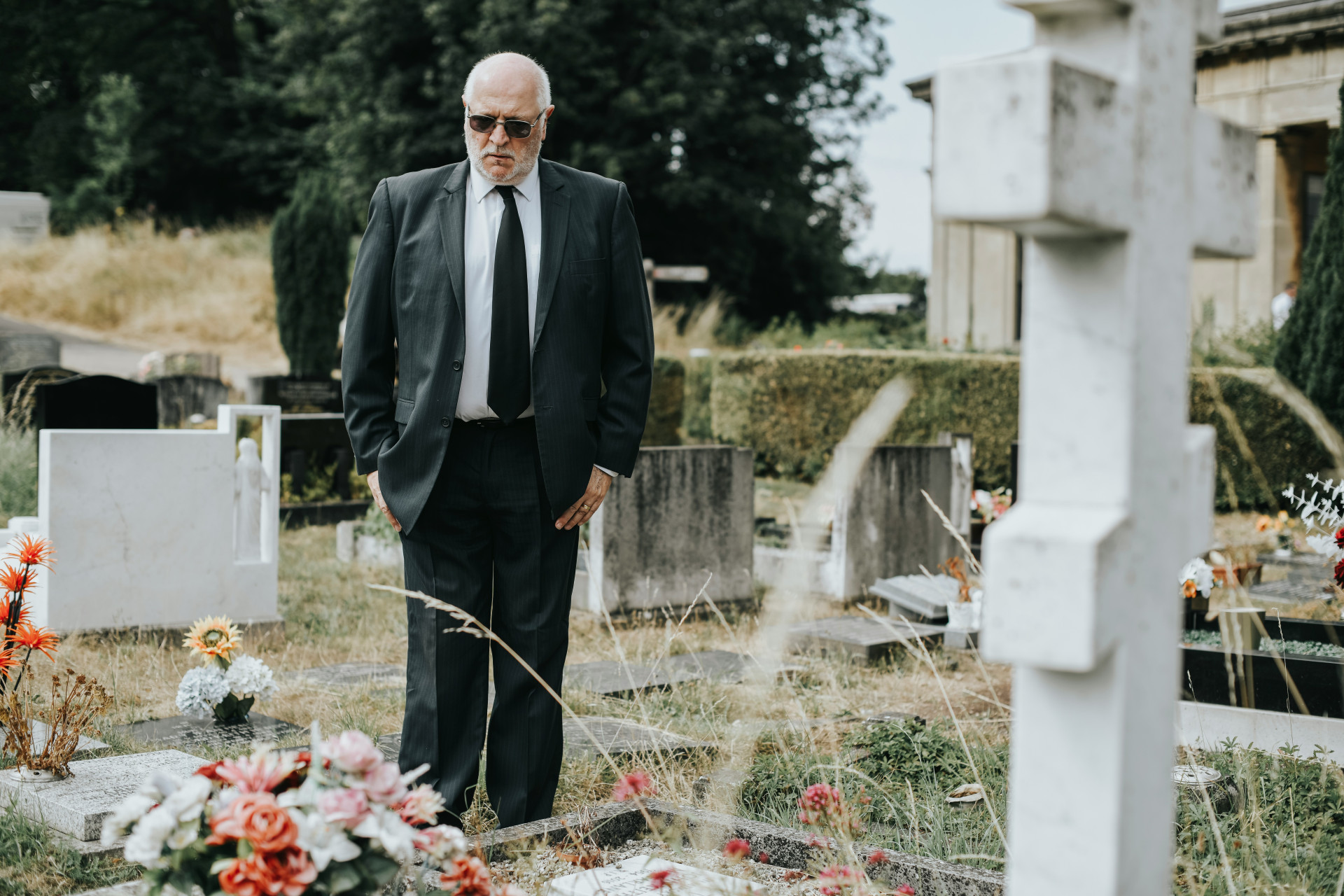
Strength in Retrospect: What Loss Can Teach Men About Life
Loss is an inevitable part of being human—but for many men, it’s also a subject that rarely finds a voice. Whether it’s the loss of a loved one, a friendship, a career, or a dream, grief can feel like failure. Yet, in looking back, there is often a quiet strength that reshapes how we understand ourselves and our lives. This article explores how men can find meaning and resilience through the experience of loss.
When Strength Isn’t About Holding It Together
In American culture, men are often taught to be strong, decisive, and in control—even when life hurts. The message is clear: don’t cry, don’t dwell, move on. But emotional strength isn’t about suppressing pain; it’s about having the courage to feel it.
Allowing yourself to grieve is not a sign of weakness—it’s an act of bravery. It takes strength to face vulnerability and to share it with others. Many men discover that the moment they stop fighting their emotions is the moment they begin to heal. Letting go of control can open the door to a deeper kind of freedom.
Læs også:



Loss as a Mirror—and a Teacher
Loss forces us to confront what truly matters. When something or someone is gone, the outlines of what’s essential become clearer. For some, that means rethinking priorities; for others, it means discovering parts of themselves they didn’t know existed.
Men who have walked through grief often describe becoming more present, more grateful, and more open in their relationships. The process can be painful, but it also leads to greater self-awareness. Loss can become a turning point—a moment when life is lived with more intention and less fear.
The Power of Connection—Sharing Without Losing Yourself
Grief can feel isolating, but connection is one of the most powerful paths to healing. For many men, however, finding spaces to talk openly about emotions can be difficult. Some worry about burdening others; others simply don’t have the words.
Yet conversations—with friends, family, or professionals—can make all the difference. It’s not about fixing the pain, but about being heard. When you share your grief, it becomes lighter. And when you realize others have faced similar losses, a sense of community emerges—one that offers strength and understanding.
Finding Meaning in What Cannot Be Changed
Grief changes over time. It rarely disappears, but it can take on new form. Many men find peace in accepting that loss is part of their story—not as a wound to hide, but as a chapter that shaped them.
Finding meaning doesn’t mean justifying the loss; it means allowing it to become a source of insight. That might mean embracing new values, helping others through their pain, or simply gaining a deeper appreciation for life’s fragility. In this way, loss becomes a quiet teacher—one that reminds us what it means to be human.
A New Definition of Strength
When men begin to see strength as the ability to feel, reflect, and reach out, it transforms not only their relationship with grief but also with life itself. It becomes possible to live more authentically, more openly, and with greater empathy for oneself and others.
Loss will always hurt. But in retrospect, it can also reveal how much we can grow when we dare to face it. True strength isn’t about avoiding pain—it’s about letting it make us more whole.
Læs også: